

PUBLICATIONS
Here’s where you can explore our latest One Health research, connecting human, animal and environmental health.
2026
Grant-Riquelme, T.; Poblete, Y.; Fresno, M.; Baumberger, C.; Fernandez Fonseca, I.; Hamilton-West, C.; Di Pillo, F.
Trichinellosis knowledge and preventive practices in Mapuche communities of southern Chile: Evidence for targeted One Health implementation
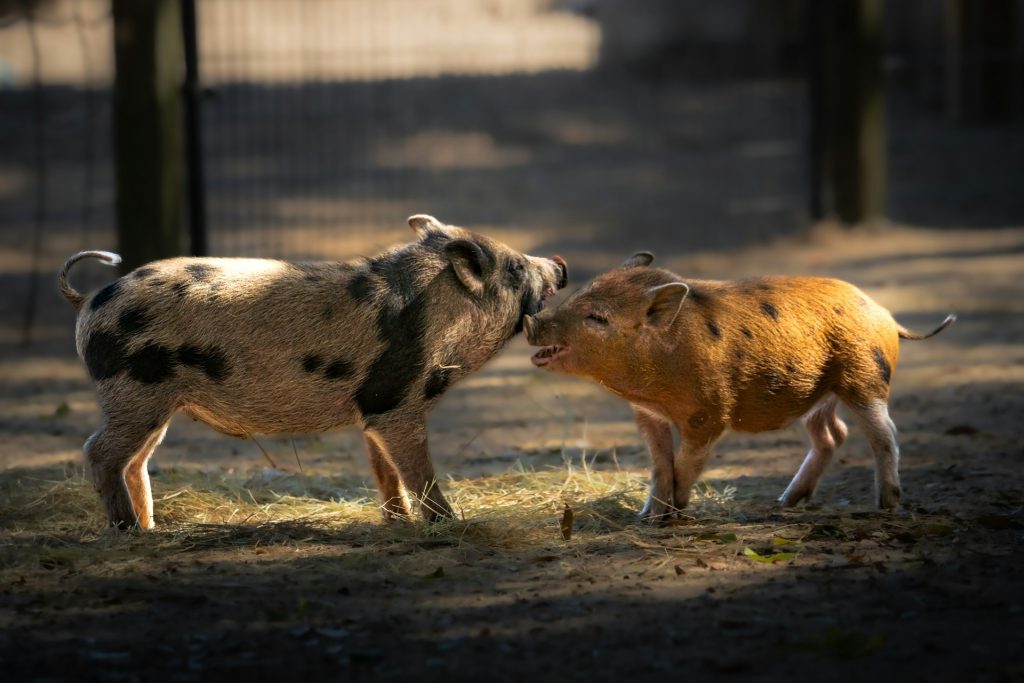
Trichinellosis is a parasitic disease (zoonosis) that can spread from pigs to people through undercooked pork, and it still persists in rural areas where pigs are raised and slaughtered at home. This study looked at what Mapuche communities in southern Chile know about the disease and how they protect themselves, and asked a key question: does knowing more actually lead to safer practices? The answer offers valuable clues for prevention that brings together human, animal and environmental health.
Rivera, D.; Vidal, M.; Pezoa, D.; Fresno, M.; Parra, B..
From fragmentation to integration: The case of multidrug-resistant Salmonella and the need for One Health-based governance in Chile
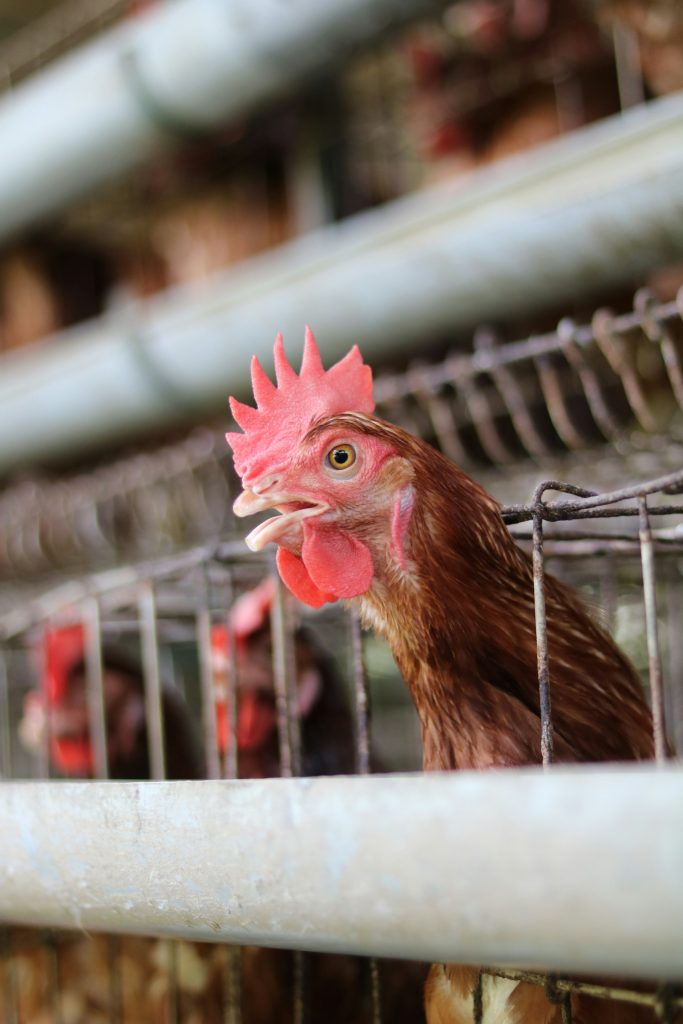
It travels from chicken farms to rivers, from our plates to hospitals, and it’s getting harder to treat. Multidrug-resistant Salmonella is spreading in Chile, but the agencies tracking it in people, animals and the environment still work largely in separate silos. This review shows why connecting those dots, from DNA sequencing to shared data, could be key to stopping the next outbreak
Hamilton-West, C.; Di Pillo, F.; Dietze, K.; Gonzalez, J. L.
Editorial: Emerging zoonotic diseases: understanding and mitigating risks at animal-human interfaces
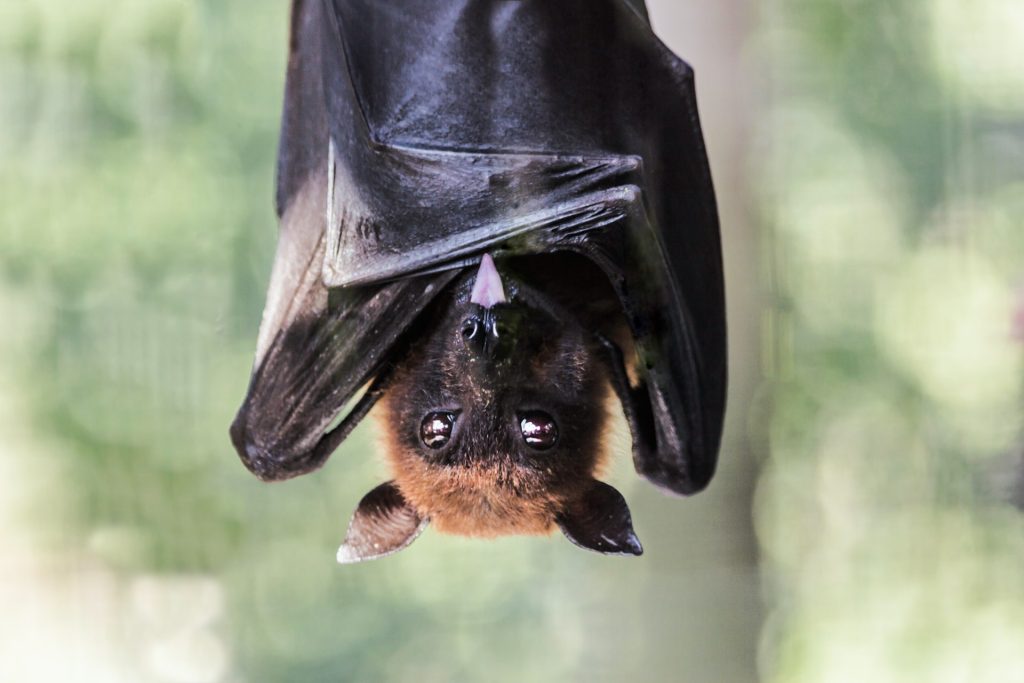
A rabid dog passing the virus to a cow in Ghana. Bats and pigeons carrying a lung fungus in Ecuador. A pet cat in Chile whose fungal infection turned life-threatening. These are just some of the cases in a new collection of studies on zoonoses, the diseases that jump between animals and people. From homes and vet clinics to farms and bushmeat markets, researchers across four continents reveal where these risks hide, and why stopping them takes science, local knowledge and smart policy working together.
Souza, J.; Araya, L.; Vergara, M. E.; Pinto, R.; Escobar, B.; Rubio, A. V.; Bacigalupo, A.; Hidalgo, C.; Ramírez-Alvarez, D.; Foerster, C.; Derrien, M.; Rojo, G.
Probable Microcystin Toxicosis in a Red-Gartered Coot (Fulica armillata) from a Protected Coastal Wetland in Central Chile - A Sentinel for Toxic Cyanobacterial Bloom?
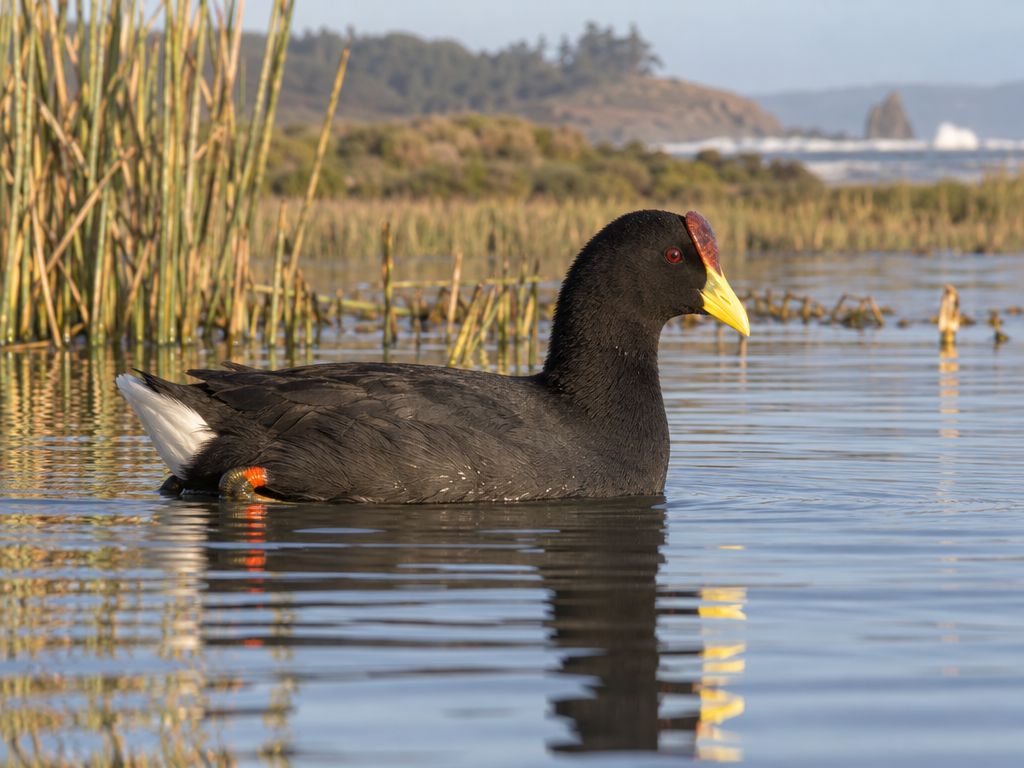
A bird that could barely stand was the first warning sign. In 2025, the water in Laguna Petrel, a protected wetland in the coastal town of Pichilemu, turned into a breeding ground for toxic cyanobacteria, and dead animals began to appear along its shores. Researchers examined a red-gartered coot found struggling at the lagoon and discovered severe liver damage and high levels of a powerful toxin. Their conclusion: waterbirds can act as early-warning signals for invisible threats in our wetlands, threats that can also affect pets and people.
Toro, F.; Mallea, G.; Alvarado-Rybak, M.; Toro-Barros, B.; Alarcón, J.; Trivelli, J.; Calvo, C.; Cruz-Jofre, F.; Abarca-Mora, P.; Leiva, J.; Arriagada, J.; Frenkel, S.; Salah, P.; Sepúlveda, M.; Seguel, M.; Medina-Vogel, G.; Huerta-Santander, T.; Pavez, G.
Using spatio-temporal clustering to identify mortality patterns and anthropogenic drivers in the marine otter (Lontra felina) in north-central Chile
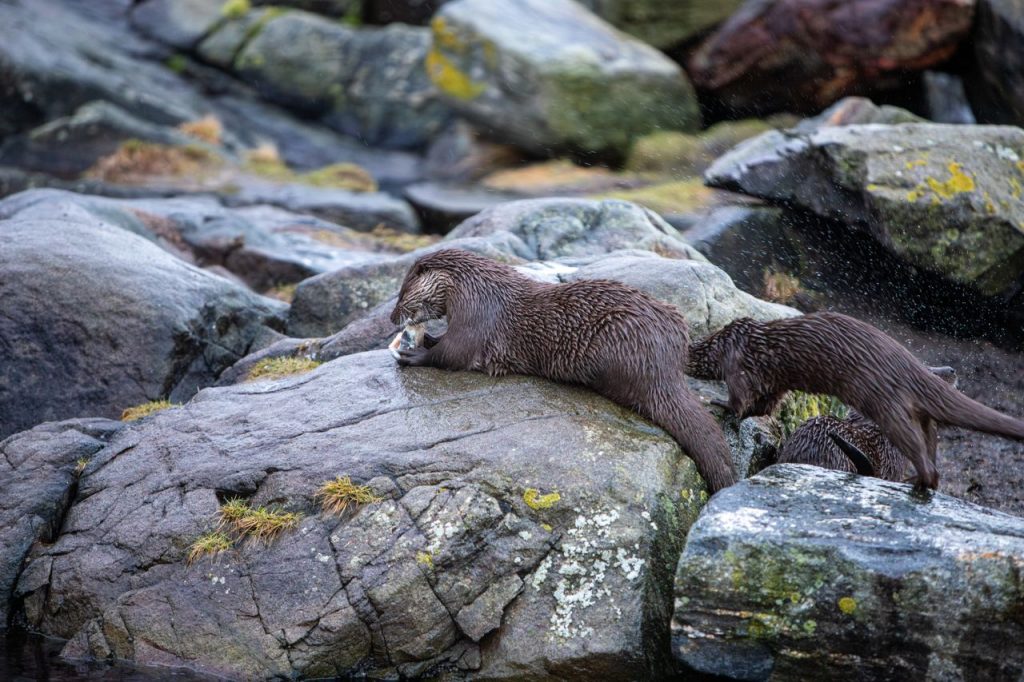
The marine otter is one of the smallest and most endangered marine mammals on Chile’s coast, and one of its biggest threats doesn’t come from the sea, but from land. Researchers analyzed 22 years of records and found 181 dead otters along north-central Chile. Where the cause could be identified, free-roaming dogs were the most common culprit, followed by fishing nets. The deaths were concentrated near coastal towns such as Caldera, Punta de Choros and Maitencillo. The good news: responsible pet ownership could make a real difference.
González, C.; Negrete, C.; Do, A.; Herrera, J.; Martínez Díaz, I.; Calderón, R.; Rodríguez, B.
Tertiary treatment of domestic wastewater for reuse: Implementation and evaluation in a rural context in Chile
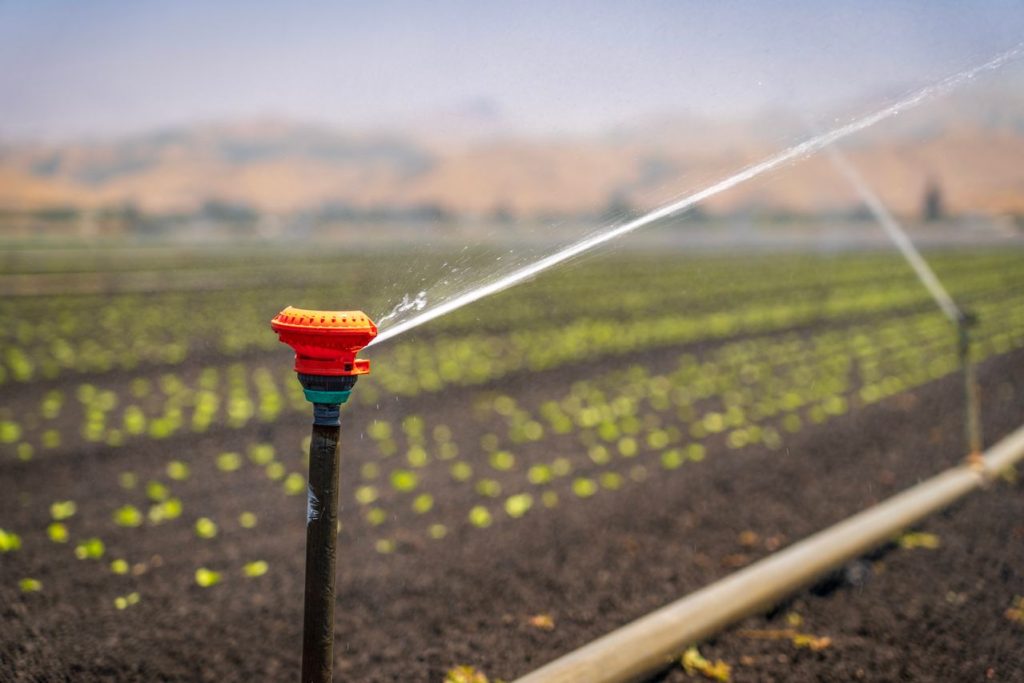
In La Higuera, in Chile’s dry north, it rains less than 90 millimeters a year, yet almost all of the country’s treated wastewater is simply discharged into rivers or the sea. Researchers tested a low-cost system that uses natural Chilean minerals, activated carbon and UV light to give that water a second life. The result: 99.9% of fecal bacteria removed, and clean enough water to irrigate a local agroecological park. A simple, affordable idea that could help other rural communities facing drought.
Gallardo, B., Portal, F., Hoffmeister, M., González, P., Truffa, L., Aránguiz, F., Dueñas, R., Poblete, Y., Ramiréz Fresno, M., Di Pollo, F., de Val, M. J. (2026). Dispositivos gráficos y editoriales para la especulación más-que-humana: Un estudio sobre la castoridad. Revista 180, (57).
Graphic and Editorial Devices for More-than-Human Speculation: A Study on ‘Beaverness’
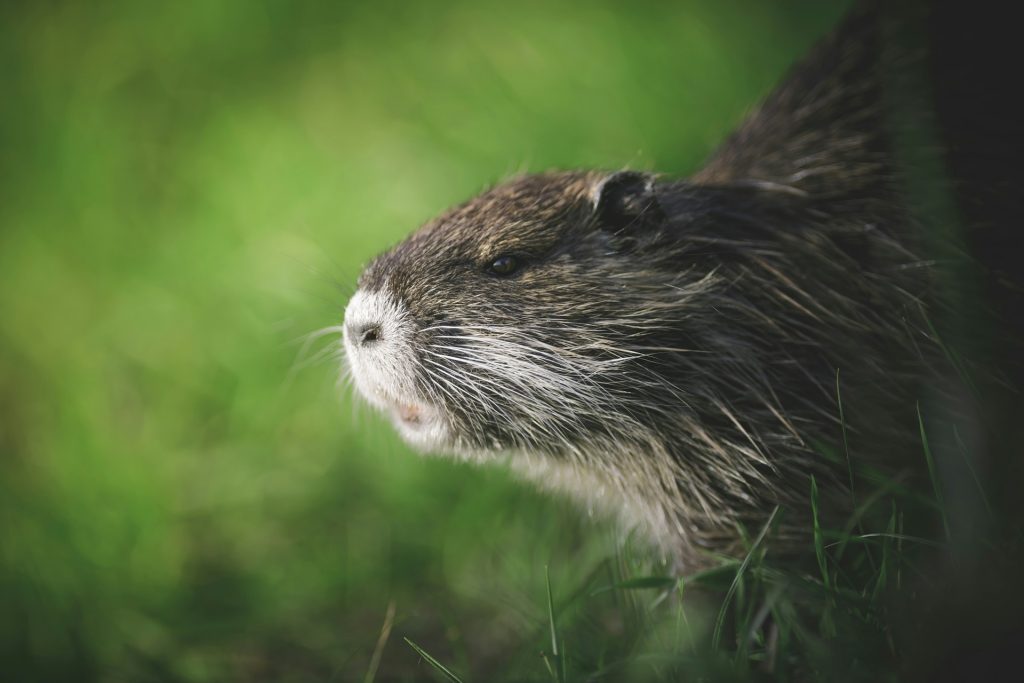
What if a beaver could write? Artist Marianne Hoffmeister turned the tooth marks a beaver left on a tree trunk into CASTOR, an experimental typeface of 109 signs without an alphabet. A project that brings together art, design and ecology to question how we see and value other species, from the forests of North America to the beaver conflict in Tierra del Fuego (Southern Chile and Argentina).
Parra, B.; Bastías, R.; Higuera, G.; Rosales, I. M.; Galarce, L.; Rivera, V.; Allel, K.; Fonseca-Martins, M.; Vives, M. J.; Jiménez, J. N.; Echeverría, N.; Marambio, C.; Aguayo, D.; González-Rocha, G.; Villamil, A.; Fresno, M.; Rivera, D.
Regulatory Harmonization Needs for Farm-to-Fork Bacteriophage Applications in South American Food Systems

Meet the tiny viruses that hunt bacteria, and could help keep our food safe. Bacteriophages attack only harmful bacteria such as Salmonella or E. coli, offering a natural alternative to antibiotics at a time when antimicrobial resistance already causes some 322,000 deaths a year in South America. So why are these “bacteria-eaters” still barely used on the region’s farms and food lines? This review reveals the regulatory maze holding them back, and what it would take to bring them from farm to fork.
Baumberger, C.; Di Pillo, F.; Sanchez, F.; Sepúlveda, A.; Marambio, V.; Orozco, K.; Tapia, D.; Hamilton-West, C.; Sharp, B.; Schultz-Cherry, S.; Jiménez-Bluhm, P.
Serological and Molecular Surveillance of Influenza A Virus in Dogs and Cats in Central Chile
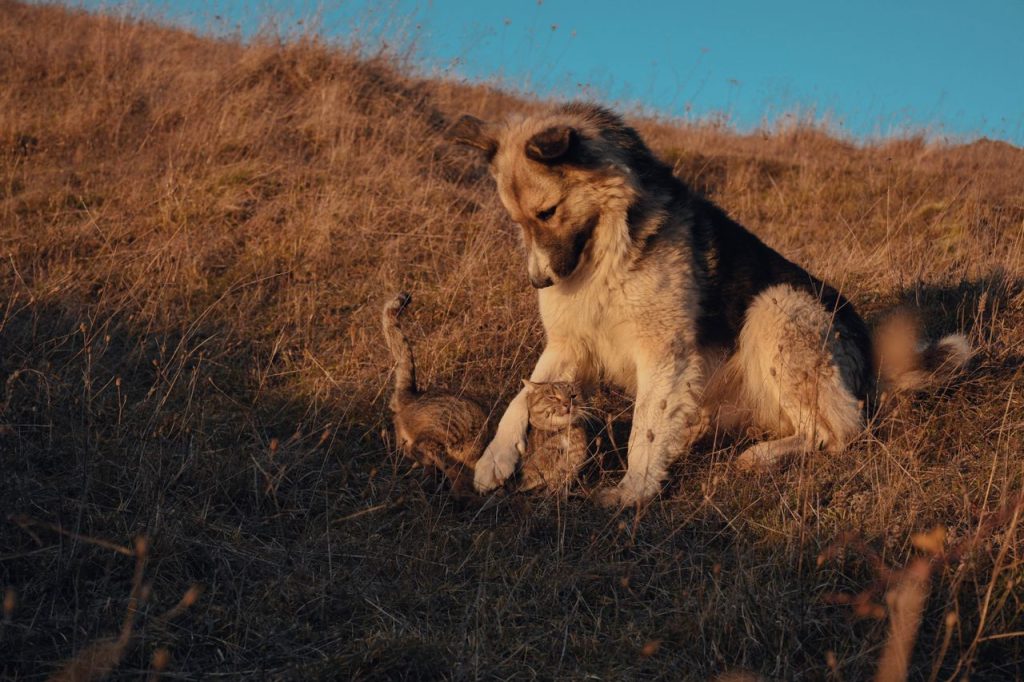
Can your dog or cat catch the flu? In central Chile, the answer seems to be yes: about half of the dogs and cats tested in shelters and multi-pet homes had been exposed to influenza A, some of them to the same strain that circulates among humans. The study also reports the first detection of the virus in cats in South America, and shows why keeping an eye on our pets may help prevent the next flu surprise.
Baquedano, M. S.; Stoore, C.; Hidalgo, C.; Paredes, R.
Distribution of CD3⁺ T lymphocytes in the adventitial layer of Echinococcus granulosus sensu stricto cysts in cattle and sheep with or without Fasciola hepatica co-infection
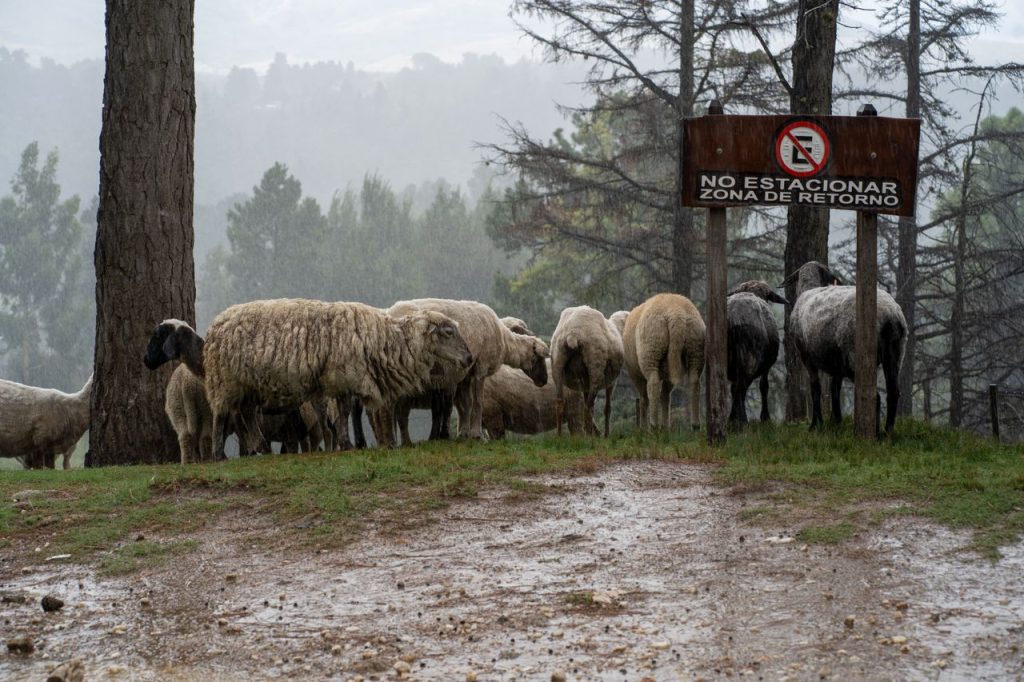
A tiny parasite, spread by dogs, forms fluid-filled cysts in the livers and lungs of livestock, and costs Chile’s cattle industry around 1.5 million dollars a year in discarded livers alone. But why do these cysts usually stay “dead ends” in cattle, while in sheep they often keep the parasite’s life cycle going? This study zoomed in on the immune cells surrounding the cysts and found a surprising clue: it’s not just how many defenders the body sends, but where they take up position
Valero-Breton, M.; Portal-Rodriguez, M.; Tacchi, F.; Salgado-Valdovinos, J.; Monsalves-Álvarez, M.; Hidalgo, C.; Stoore, C.; Paredes, R.; Cabrera, D.; Cabello-Verrugio, C.
Recovery Kinetics and Persistent Hepatic Alterations in a Xenobiotic-induced Murine Model of Chronic Cholestatic Liver Disease
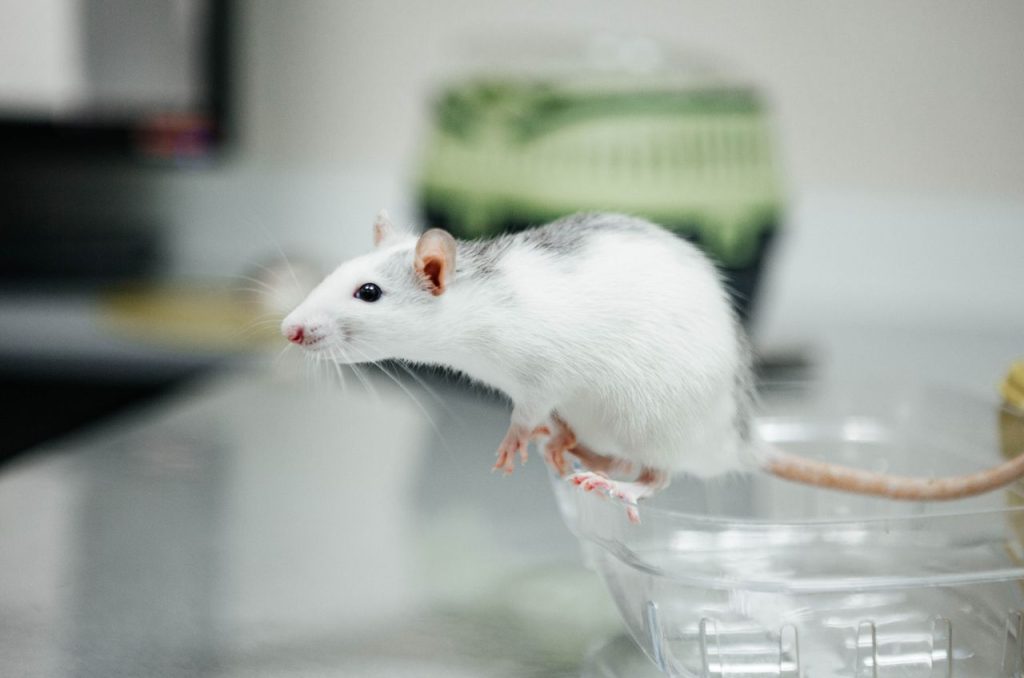
The liver is famous for its ability to heal itself, but how quickly does it really recover once the damage stops? In this study, researchers followed mice with a chronic liver disease that blocks the flow of bile, similar to conditions seen in humans. Even five weeks after the cause of the damage was removed, signs of injury and scarring were still there. These findings help scientists better understand how the liver recovers, and give them a clearer timeline for studying future treatments for liver disease
Alvarado-Rybak, M.; Díaz-Mancilla, C.; Ramírez-Meza, K.; Valladares-Faúndez, P.; Toro, F.; Azat, C.s in Chile between 2009 and 2022
Spatiotemporal patterns and causes of sea turtle stranding
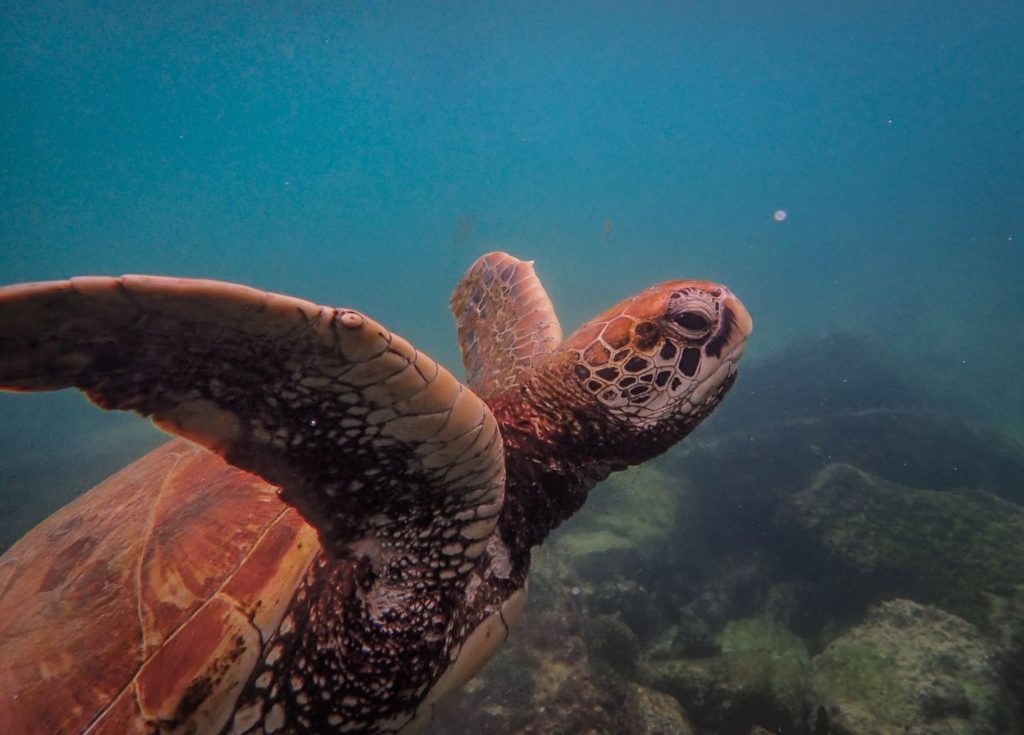
Did you know that sea turtles live along the coast of Chile? In fact, it’s home to one of the southernmost sea turtle populations in the world. But between 2009 and 2022, more than 500 turtles washed up on Chilean beaches, mostly in the north, and the number has been rising. Where cause could be identified, human activity was often to blame, from fishing nets to boat strikes. This first nationwide study maps the hotspots, none of which are in protected areas, and shows where conservation is most urgently needed.
Quiroga, N.; Bacigalupo, A.; San Juan, E.; Correa, J. P.; Rojo, G.; Paredes, R.; Solari, A.; Hidalgo, C.; Botto-Mahan, C.
Environmental Detection of Pathogenic Leptospira DNA in Agricultural Ecosystems from a Mediterranean-Climate Region of Central Chile
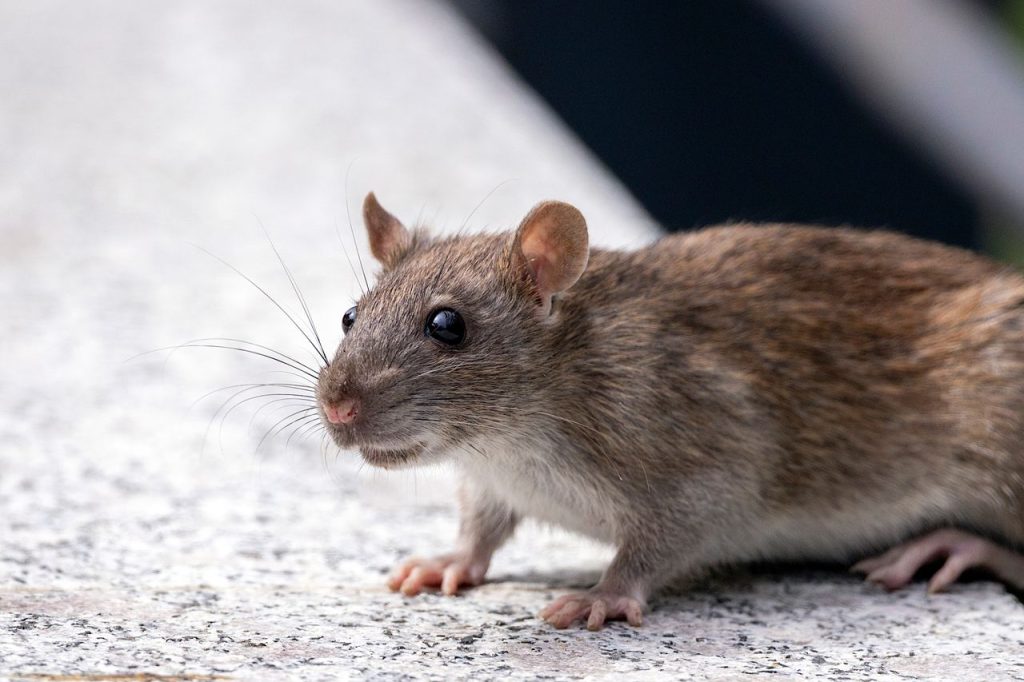
Dry summers should make it hard for leptospirosis bacteria to survive. So why were traces found most often in summer? Leptospirosis is a disease that spreads mainly through the urine of infected animals, like rats, and can reach people through contaminated soil and water. Researchers analyzed more than 600 soil and water samples from farms in the Santiago Metropolitan Region and found DNA of the bacteria at every site and in every season, especially in soil. One possible explanation: irrigation keeps fields moist, even in the driest months.
2025
Exposure Practices to Animal‐Origin Influenza A Virus at the Animal–Human Interface in Poultry and Swine Backyard Farms.
Baumberger, C., Anríquez, G., Galdames, P., Palma, T., Gonzalez, M. A., Orozco, K., … & Hamilton‐West, C. weapon. Journal of Bacteriology, e00188-25.
Blurred Lines Between Determinism and Stochasticity in an Amphibian Phylosymbiosis Under Pathogen Infection.
Longo, A. V., Solano‐Iguaran, J. J., Valenzuela‐Sánchez, A., Alvarado‐Rybak, M., Azat, C., & Bacigalupe, L. D. (2025). Blurred Lines Between Determinism and Stochasticity in an Amphibian Phylosymbiosis Under Pathogen Infection. Molecular Ecology, 34(9), e17741.
Isolation and Characterization of a Novel Bacteriophage KpCCP1, Targeting Multidrug-Resistant (MDR) Klebsiella Strains.ational Committee on Taxonomy of Viruses (ICTV) from the Bacterial Viruses Subcommittee
Parra, B., Matus-Köhler, M., Cerda-Leal, F., Suárez-Villota, E. Y., Hepp, M. I., Opazo-Capurro, A., & González-Rocha, G. (2025). Isolation and Characterization of a Novel Bacteriophage KpCCP1, Targeting Multidrug-Resistant (MDR) Klebsiella Strains. Sci, 7(4), 157.
High rate of ship strike to large whales off Chile: Historical data and proposed actions to reduce risk
Toro, F., Buchan, S. J., Alvarado-Rybak, M., Bedriñana-Romano, L., Garcia-Cegarra, A. M., Hucke-Gaete, R., … & Fishbach, M. M. (2025). High rate of ship strike to large whales off Chile: Historical data and proposed actions to reduce risk. Marine Policy, 174, 106577.
Prevalence and Seroprevalence of Avian Respiratory Viruses in Backyard Poultry in Central Chile.
Baumberger, C., Di Pillo, F., Tapia, D., Pradenas, C. C., Orozco, K., Galdames, P., … & Hamilton-West, C. (2025).
Enfermedad de la bursa de Fabricio en Chile: primera identificación del genogrupo A3B5 circulando en un lote de aves de corral.
Guzmán, M., Cádiz, L., Rivera, P., Torres, P., & Hidalgo, H. (2025). Enfermedad de la bursa de Fabricio en Chile: primera identificación del genogrupo A3B5 circulando en un lote de aves de corral. Veterinaria (Montevideo), 61(Suplemento 1), 29-29.
Primera detección y caracterización molecular de aviadenovirus aviar serotipo 11 aislado desde pollos de engorde en Chile.
Cádiz, L., Guzmán, M., Navarrete, F., Torres, P., & Hidalgo, H. (2025). Primera detección y caracterización molecular de aviadenovirus aviar serotipo 11 aislado desde pollos de engorde en Chile. Veterinaria, 61(1), 2.
Thirty-Five Years of IBV Evolution in Chile Reveals a Novel Lineage and Evidence of Vaccine-Driven Recombination. Viruses, 17(8), 1111.
Guzmán, M., Cádiz, L., Sáenz, L., Hidalgo, H., & Verdugo, C. (2025). Thirty-Five Years of IBV Evolution in Chile Reveals a Novel Lineage and Evidence of Vaccine-Driven Recombination. Viruses, 17(8), 1111.
Summary of taxonomy changes ratified by the International Committee on Taxonomy of Viruses (ICTV) from the Bacterial Viruses Subcommittee
Turner, D., Adriaenssens, E. M., Amann, R. I., Bardy, P., Bartlau, N., Barylski, J., … & Zerbini, F. M. (2025). Summary of taxonomy changes ratified by the International Committee on Taxonomy of Viruses (ICTV) from the Bacterial Viruses Subcommittee, 2025. Journal of General Virology, 106(7), 002111.
Deciphering the Salmonella T6SS toolkit: two decades of research decoding a versatile bacterial weapon
Blondel, C. J., Amaya, F. A., Reyes-Méndez, F., Soriano-Mora, V., Vargas, C., Parra, A., … & Pezoa, D. (2025). Deciphering the Salmonella T6SS toolkit: two decades of research decoding a versatile bacterial weapon. Journal of Bacteriology, e00188-25.
Knowledge, attitudes and risk practices on echinococcosis in Aysén District, Chile
Sepulveda, N., Fresno, M., Poblete, Y., & Jones, H. C. (2025). Knowledge, attitudes and risk practices on echinococcosis in Aysén District, Chile. One Health, 101155.
Latitudinal and Seasonal Variation in Exploratory Behavior in Rufous-Collared Sparrow
Poblete, Y., Fernández, C., Flores, C. R., Vega, P., & Ávila, M. (2025). Latitudinal and Seasonal Variation in Exploratory Behavior in Rufous-Collared Sparrow. Birds, 6(2), 24.
Birmingham-group IncP-1α plasmids revisited: RP4, RP1 and RK2 are identical and their remnants can be detected in environmental isolates
Le, V. V. H., Gong, Z., Maccario, L., Bousquet, E., Parra, B., Dechesne, A., … & Nesme, J. (2025). Birmingham-group IncP-1 α plasmids revisited: RP4, RP1 and RK2 are identical and their remnants can be detected in environmental isolates. Microbial Genomics, 11(3), 001381.
Social preferences for vertebrates, invertebrates and plants: a multistakeholder approach for conservation management
Bidegain, I., Cerda, C., Silva-Rodríguez, E. A., López-Santiago, C., Briceño, C., Promis, Á., … & Tironi, A. (2024). Social preferences for vertebrates, invertebrates and plants: a multistakeholder approach for conservation management. Human Dimensions of Wildlife, 29(5), 463-478.
An Exploration of the Cellular Microenvironment of the Female Pig Urethra: Translational Insights for Urological Research
Cartes, A., Stoore, C., Baquedano, M. S., Hidalgo, C., Lillo, F., Landerer, E., … & Paredes, R. (2025). An Exploration of the Cellular Microenvironment of the Female Pig Urethra: Translational Insights for Urological Research. Biology, 14(1), 31.
Altitudinal variation in oxidative status between breeding and non-breeding seasons in a Neotropical bird.
Poblete, Y., Contreras, C., Fernández, C., Ávila, M., & Sabat, P. (2025). Altitudinal variation in oxidative status between breeding and non-breeding seasons in a Neotropical bird. Journal of Ornithology, 1-10.
First Isolation, Molecular Identification, and Phylogenetic Characterization of A3B5 Very Virulent Infectious Bursal Disease Virus in Pullets in Chile.
Cádiz, L., Guzmán, M., Rivera, P., Navarrete, F., Torres, P., & Hidalgo, H. (2025). First Isolation, Molecular Identification, and Phylogenetic Characterization of A3B5 Very Virulent Infectious Bursal Disease Virus in Pullets in Chile. Microbiology Research, 16(2), 31.
Identification and characterization of a novel Pavlovskyella (Acari: Argasidae) from Chile, parasite of the culpeo fox (Lycalopex culpaeus)
Muñoz-Leal, S., Kneubehl, A. R., Ardiles, K., Parragué-Migone, C., Troncoso-Toro, I., Oyarzún-Ruiz, P., & Lopez, J. E. (2025). Identification and characterization of a novel Pavlovskyella (Acari: Argasidae) from Chile, parasite of the culpeo fox (Lycalopex culpaeus). Journal of Medical Entomology, 62(1), 78-88.
2024
Cranial osteomyelitis associated with Pasteurella canis in broiler chickens.
Cádiz, L., Navarrete, F., Torres, P., & Hidalgo, H. (2024). Cranial osteomyelitis associated with Pasteurella canis in broiler chickens. Austral Journal of Veterinary Sciences, e560204-e560204.
Molecular characterization of Fasciola hepatica obtained from cattle and horse in Central Chile.
Cabrera, G., Cabezas, C., Estay-Olea, D., Stoore, C., Baquedano, M. S., Paredes, R., & Hidalgo, C. (2024). Molecular characterization of Fasciola hepatica obtained from cattle and horse in Central Chile. Veterinary Parasitology: Regional Studies and Reports, 56, 101130.
Genomic analysis of Salmonella isolated from surface water and animal sources in Chile reveals new T6SS effector protein candidates
Amaya, F. A., Blondel, C. J., Reyes-Méndez, F., Rivera, D., Moreno-Switt, A., Toro, M., … & Pezoa, D. (2024). Genomic analysis of Salmonella isolated from surface water and animal sources in Chile reveals new T6SS effector protein candidates. Frontiers in Microbiology, 15, 1496223.
Exposure Practices to Animal-Origin Influenza A Virus at the Animal-Human Interface in Poultry and Swine Backyard Farms
Baumberger, C., Anríquez, G., Galdames, P., Palma, T., Gonzalez, M. A., Orozco, K., Oyarzun, C., Marambio, V., Ruiz, S., Di Pillo, F… & Hamilton‐West, C. (2024) Zoonoses Public Hlth.
Haemosporidian Infection Is Associated with the Oxidative Status in a Neotropical Bird.
Poblete, Y., Contreras, C., Ávila, M., Carmona, M. P., Fernández, C., Flores, C. R., & Sabat, P. (2024). Birds, 5(3), 604-615.
Perceptions of health and ecosystem risks from free-roaming domestic animals in Mediterranean wetlands: One health perspective
Poblete Y, Bidegain I, Pillo FD, Fresno M,
Salazar C, Palma T, and Jiménez R (2024). Int. J. One Health, 10(2): 183–195.
Inventario de aves en dos humedales urbanos de Temuco (Chile): una base para el monitoreo de especies.
Tardone, R. A., Pincheira-Ulbrich, J. M., & Alarcón, X. X. (2024). Neotropica, 24, e20231585.
Characterization and Abundance of Plasmid-Dependent Alphatectivirus Bacteriophages
Parra, B., Lutz, V.T., Brøndsted, L. et al. (2024) Microb Ecol 87, 85
Isolation and characterization of novel plasmid-dependent phages infecting bacteria carrying diverse conjugative plasmids.
Parra B, Cockx B, Lutz VT, Brøndsted L, Smets BF, DechesneA. (2024). MicrobiolSpectr12:e0253723.
First Molecular Detection and Characterization of Fowl Aviadenovirus Serotype 11 from Broiler Chickens in Chile.
Cádiz, L., Guzmán, M., Navarrete, F., Torres, P., & Hidalgo, H. (2024). Microbiology Research, 15(2), 626-633.
Risk-taking behavior relates to Leucocytozoon spp. infection in a sub-Antarctic rainforest bird.
Poblete, Y., Cuevas, É., Botero-Delgadillo, E., Espíndola-Hernández, P., Quirici, V., & Vásquez, R. A. (2024). acta ethologica, 1-11.
Programa de Vigilancia Zoonótica y Control Poblacional Canino.
Suárez Villota, E., Zavala, J., & Parra, B. (2024). Boletín de vigilancia zoonótica: Endoparásitos helmintos de caninos de la Región del Biobío
Case report: Abdominal mesothelioma in Atelerix albiventris.
Troncoso, I., Brown, J., Isla, C., Lajara, J. M., Ebner, M., & Fehrmann-Cartes, K. (2024). Frontiers in Veterinary Science, 11, 1341815.
Complicaciones postquirúrgicas en pacientes caninos con ruptura de ligamento cruzado craneal.
Fischer Wiethuchter, C., Troncoso Toro, I., Morales Orellana, J., & Valenzuela Oliva, S. (2024). Revista de Investigaciones Veterinarias del Perú, 35(2).
2023
Transfer of T6SS from Gallinarum to Typhimurium Lacking T6SS Complements its Colonization Defect in Mice.
Pezoa, D., Blondel, C. J., Amaya, F. A., & Santiviago, C. A. (2023). Polish Journal of Microbiology, 72(2), 215-219.
Identification and distribution of new candidate T6SS effectors encoded in Salmonella Pathogenicity Island 6.
Blondel, C. J., Amaya, F. A., Bustamante, P., Santiviago, C. A., & Pezoa, D. (2023). Frontiers in Microbiology, 14, 1252344.
Unveiling antimicrobial resistance in Chilean fertilized soils: a One Health perspective on environmental AMR surveillance.
Fresno, M., Pavez, L., Poblete, Y., Cortez, A., & Del Pozo, T. (2023). Frontiers in Microbiology, 14, 1239761.
Inocuidad alimentaria en la producción caprina de la agricultura familiar campesina: un análisis integral.
Di Pillo, F., Cañón, H., Olguín, L., Poblete, Y., & Fresno, M. (2023). Revista MVZ Córdoba, 28.
Asociación entre conocimientos y prácticas sobre triquinelosis en comunidades mapuches en Chile.
Grant, T., Fresno, M., Fernández, I., Martínez, P., Poblete, Y., & Di Pillo, F. (2023). Revista MVZ Córdoba, 28.
Dimensiones de valor pluralistas de los servicios ecosistémicos como una oportunidad hacia la transdisciplina. Pensamiento y Acción Interdisciplinaria, 9(1),
Cerda, C. L., Ocampo-Melgar, A., & Bidegain, I. (2023). 95-111.
Social preferences for vertebrates, invertebrates and plants: a multistakeholder approach for conservation management.
Bidegain, I., Cerda, C., Silva-Rodríguez, E. A., López-Santiago, C., Briceño, C., Promis, Á., … & Tironi, A. (2023). Human Dimensions of Wildlife, 1-16.
Geographic variation in the altitudinal migration patterns, body size, oxidative status and exploratory behavior in a neotropical bird.
Poblete, Y., Contreras, C., Fernández, C., Flores, C. R., Vega, P., Ávila, M., & Sabat, P. (2023). Ecology and Evolution, 13(3), e9941.
Percepción de riesgos ecológicos y de salud causados por la circulación libre de animales domésticos en el humedal de batuco, Chile.
Poblete, Y., Bidegain, I., Di Pillo, F., Fresno, M., Jiménez, R., Palma, T., & Salazar, C. (2023). Revista MVZ Córdoba, 28.
Intra-urban variation in body condition, body size and oxidative status of Rufous-collared sparrow relate to urban green space attributes in a Latin American metropolis.
Fernández, C., Villaseñor, N. R., Contreras, C., Ávila, M., Sabat, P., & Poblete, Y. (2023). Urban Ecosystems, 26(2), 575-586.
The Expression of Amino Acid and Fatty Acid Receptors Show an Age-Dependent Pattern Involving Oral Cavity, Jejunum and Lower Gut Sensing in Broiler Chickens.
Cordero, P., Díaz-Avilés, F., Torres, P., Guzmán, M., Niknafs, S., Roura, E., & Guzmán-Pino, S. A. (2023). Animals, 13(19), 3120.
Detection of antimicrobial residues in animal manure by a microbiological screening methodology: A non-invasive tool in animal production.
Astudillo, D., Pokrant, E., Bravo, C., Ríos, A., Navarrete, M. J., Maddaleno, A., … & Cornejo, J. (2023). Food Control, 148, 109649.
Vertebral osteomyelitis associated with Enterococcus faecalis in Broiler Breeders in Chile.
Cádiz, L., Guzmán, M., Navarrete, F., Torres, P., & Hidalgo, H. (2023). Austral journal of veterinary sciences, 55(3), 203-207.
Seroprevalence of Chlamydophila felis in cats using the ImmuComb® technique.
Troncoso, I., Fischer, C., Inzunza, P., González, M. F., Valenzuela, A., Arrué, R., … & Muñoz, P. (2023).
Brucelosis en caninos vagabundos de un sector de la ciudad de Talca, Chile.
Weinborn, R., Zanelli, M., Liendo, C., Celis, F., Olmedo, S., Sánchez, F., … & Troncoso, I. (2023). 34(4). Revista de Investigaciones Veterinarias del Perú,
First molecular detection of Equine Herpesvirus type 3 (EHV‐3) in Chile.
Troncoso, I., Calvanese, R., Saravia, F., Muñoz‐Leal, S., Zegpi, N. A., & Ortega, R. (2023). Veterinary Medicine and Science, 9(2), 717-720.
Seroprevalencia de Chlamydophila felis en gatos mediante la técnica Immucomb (r).
Troncoso, I., Fischer, C., Inzunza, P., González, M. F., Valenzuela, A., Arrué, R., … & Muñoz, P. (2023). Revista de Investigaciones Veterinarias del Perú, 34(1).
Hematological And Serum Chemistry Reference Values Of Captive Black-Chested Buzzard Eagle (Geranoetus Melanoleucus).
Doussang, D., Palma, C., Grandon, A., Moreno, L., Zambrano, B., Pavez, E., … & Gonzalez-Acuña, D. (2023). Ornitologia Neotropical, 34(1), 24-28.
Nivel de conocimiento de zoonosis de animales de compañía en estudiantes de medicina veterinaria.
Troncoso Toro, I., Núñez Bustamante, A., Pizarro Diaz, M., Rodríguez Núñez, B., Marín Marín, L., & Muñoz Garcés, P. (2023). Revista de Medicina Veterinaria, 1(46), 10.